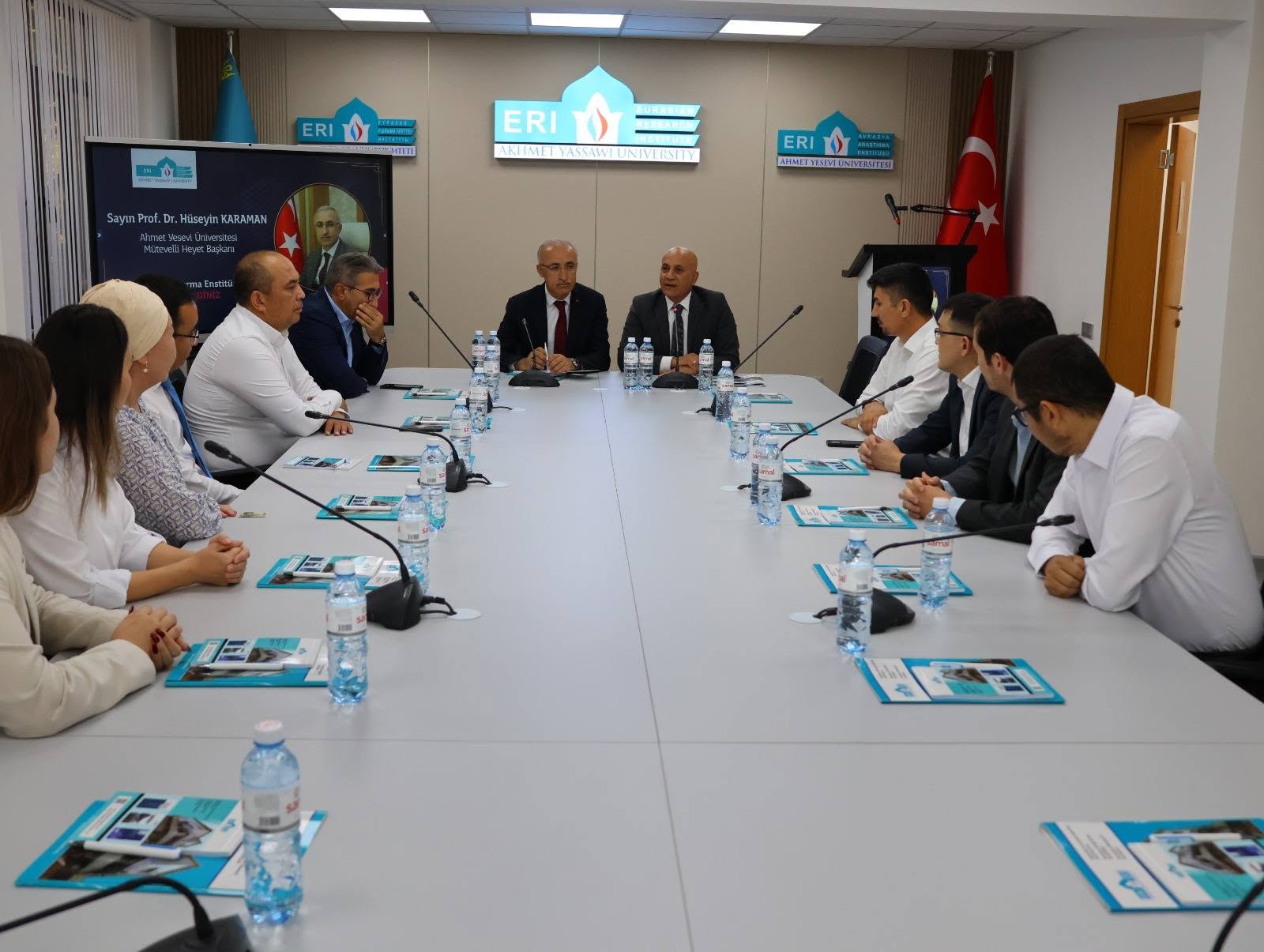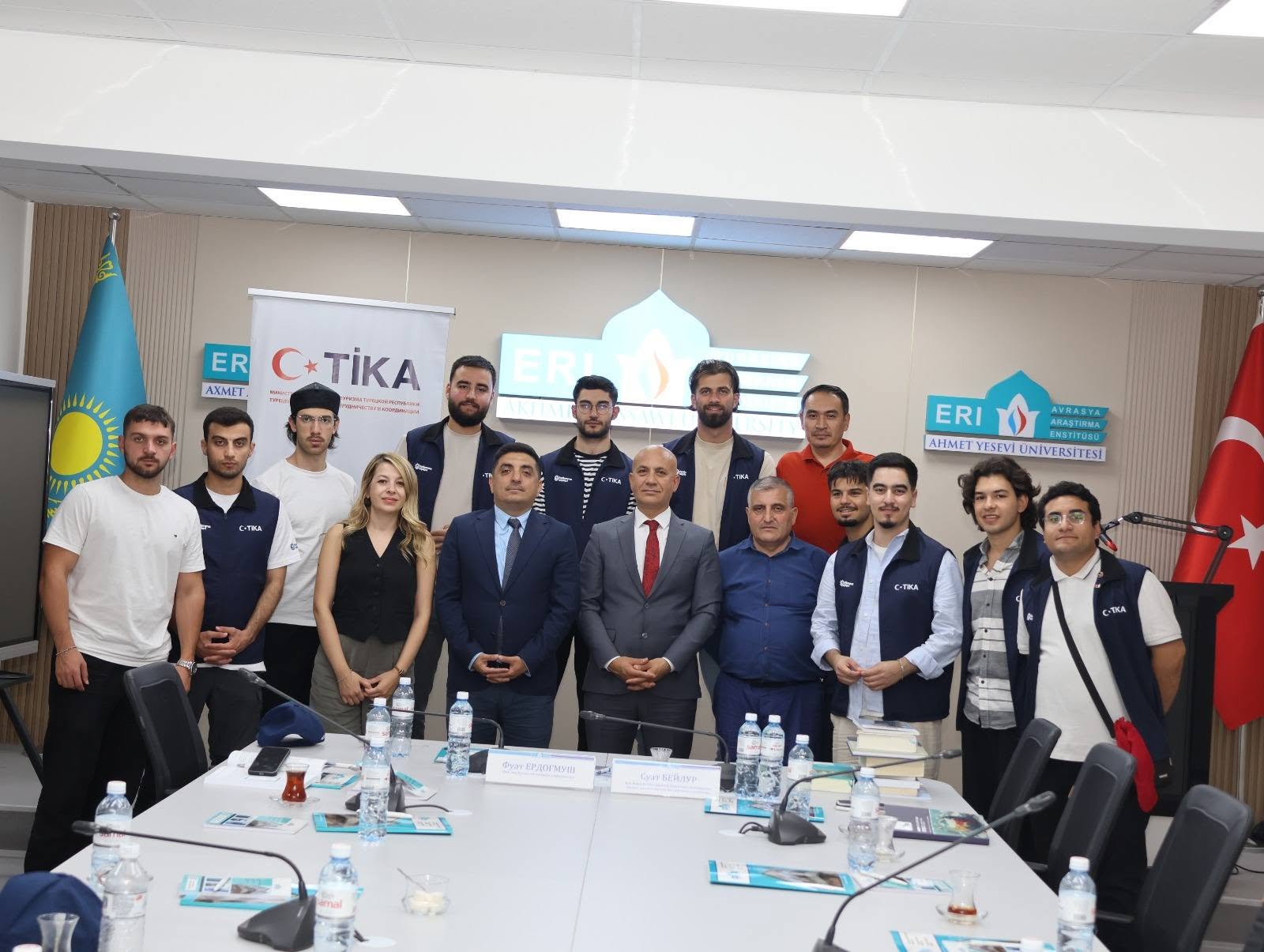
On 5th of February 2015 a research fellow at the Eurasian Research Institute, Rasul Arin gave a seminar on the topic of “Central Asia plus Japan Dialogue: Evaluating a Decade of Multilateral Cooperation and its Future Prospects”
In his seminar, Rasul Arin introduced the dialogue “Central Asia plus Japan” topic, by providing general information alongside with his analysis regarding the 10th anniversary of this initiation. He touches upon number of significant initiatives and cooperation which had been developed over the years between Japan and Central Asia. Throughout the years, 1997-2006 Eurasian Diplomacy, Silk Road diplomacy and dialog of “Central Asia plus Japan” cooperation policies have been initiated. He stated that there are several factors which affected Japan to create the dialogue of Central Asia plus Japan: Absence of suitable cooperation within SCO framework due to Japan’s territorial disputes with Russia and China, institutionalization of relations with Central Asian countries and establish a similar cooperation organization such as “ASEAN + 3” and proactive foreign policy of Junichiro Koizumi.
Arin, in his seminar mentioned the format of the dialog, main values and goals in this dialog by identifying major points such as main foreign policy direction, format of relations between Japan and Central Asia and form of Japan’s official development assistance to Central Asia. Within these points he focused on structure of ODA aid of Japan to Central Asian countries; types and distribution methods of such aid and the issue of adding Afghanistan to the dialog.
Regarding the future of this dialog he made number of analysis, such as Japan’s assistance to development in the Central Asian region is significant, but the goal of the dialog which is integration of Central Asia is not possible in near future. Adding to that increasing China’s influence will be an obstacle for the dialog to be functional.
The participants from universities and interested organizations discussed various topics on relations between Japan and Central Asia. Highlighted the importance of the topic and indicated that more work needs to be done on this topic.